
Root canal treatment removes infected or inflamed tissue from inside a tooth, relieving pain and saving the tooth from extraction.
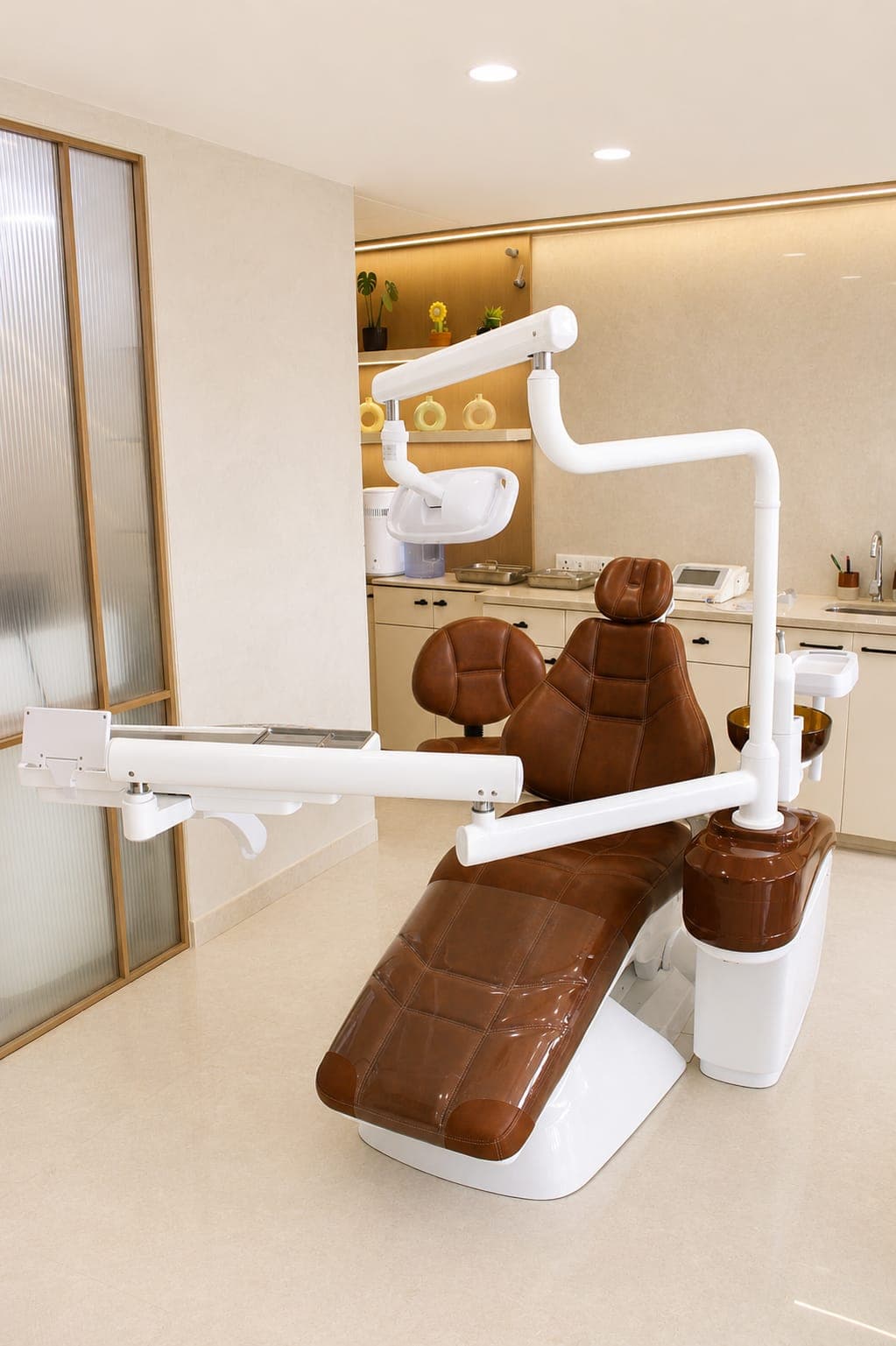
Saving Teeth, Relieving Pain
Root canal treatment removes infected or inflamed tissue from inside a tooth, relieving pain and saving the tooth from extraction.
Modern techniques and effective anesthesia mean root canal treatment today is far more comfortable than its reputation suggests — most patients report feeling relief, not dread.
Signs You May Need a Root Canal
- Severe, persistent toothache
- Sensitivity to hot or cold that lingers
- Swelling or tenderness in nearby gums
- A darkening tooth
- Pain when chewing or applying pressure
Benefits of Root Canal Treatment
- Saves your natural tooth instead of extracting it
- Relieves pain caused by infection or inflammation
- Prevents infection from spreading to surrounding teeth and bone
- Restores normal biting and chewing function
The Root Canal Procedure
- 1
Diagnosis
X-rays confirm the extent of infection and plan treatment.
- 2
Numbing
Local anesthesia keeps the procedure comfortable.
- 3
Cleaning the Canal
Infected pulp is removed and the canal is cleaned and shaped.
- 4
Sealing
The canal is filled and sealed to prevent reinfection.
- 5
Crown Placement
A crown is typically placed to protect and strengthen the treated tooth.
Aftercare & Healing
Mild soreness for a few days is normal and manageable with over-the-counter pain relief.
- Avoid chewing on the treated tooth until a permanent crown is placed
- Continue regular brushing and flossing
Frequently Asked Questions
Related Services
Ready to Get Started With Root Canal Treatment?
Book a consultation and let our team guide you through your treatment options.